Anatomical Heart Skeleton: Embroidery Review
When evaluating a new machine embroidery design for professional or commercial use, the first question is always about translation. How does this digital artwork translate into physical thread? As a designer who regularly reviews assets for small business owners and Etsy sellers, I approach the Anatomical Heart Skeleton with a critical eye toward production viability. This is not merely a decorative graphic; it is a structural challenge that tests your understanding of stitch density, stabilizer choices, and fabric compatibility. For those in the craft business or apparel decoration space, this design offers a distinct gothic-meets-scientific aesthetic, but its success depends entirely on technical execution.
First Impressions and Visual Personality
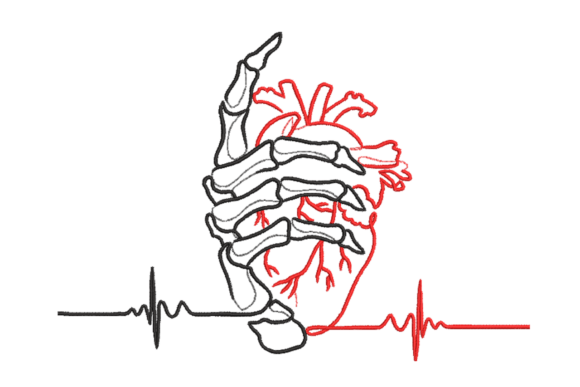
The Anatomical Heart Skeleton immediately establishes a moody, intellectual tone. Unlike stylized cartoon hearts or traditional floral motifs, this design relies on precision. The interplay between the organic curves of the heart and the rigid structure of skeletal elements creates a visual tension that appeals to niche markets. For an embroidery project targeting alternative fashion, medical professionals, or anatomy enthusiasts, this personality is a strong selling point.
However, from a digitizing perspective, this complexity is a double-edged sword. The detail level required to distinguish bone from tissue means the design likely utilizes a mix of satin stitch outlines and intricate fill stitch areas. When I first loaded this embroidery file, my primary concern was clarity at smaller sizes. Designs with this much internal detail can easily become muddy if resized incorrectly. The visual weight feels substantial, suggesting it belongs on medium-to-heavyweight fabrics rather than delicate sheers. It carries a gravity that demands respect in the hoop.
Real-World Application: The Custom Sweatshirt Test
To truly judge this asset, I considered a recent client request for a custom apparel line featuring anatomical art. We were preparing a heavyweight cotton sweatshirt for a boutique merchandise drop. The goal was a centered chest placement that looked vintage yet crisp. In this scenario, the Anatomical Heart Skeleton performed exceptionally well, provided specific adjustments were made.
Sweatshirt fleece has a textured surface that can swallow fine details. Because this design features skeletal intricacies, we had to ensure the running stitch defining the bone structure was thick enough to sit on top of the fabric nap without sinking. We also opted for high-contrast thread colors—bone white against charcoal grey—to maximize readability. The result was a striking handmade product that photographed beautifully for printable mockups and social media. Customers responded to the tactile quality of the embroidery; the raised texture of the satin stitch borders gave the finished product a premium feel that justified a higher price point. This real-life application proved that the design holds up as a centerpiece for commercial embroidery, assuming you manage the fabric texture correctly.
Navigating Fabric Limitations and Hoop Sizes
While the design shines on stable knits, it requires caution elsewhere. If you are planning to use this for baby embroidery or lightweight summer tees, proceed carefully. The stitch density necessary to render anatomical accuracy can create a stiff, bulletproof patch effect on thin jersey. This compromises the drape of the garment and can lead to puckering around the edges. For baby items, I would generally advise against this specific motif unless it has been specifically redigitized for light fabrics, as the complexity may be too harsh against sensitive skin or too heavy for the material.
Hoop size is another non-negotiable factor. You must verify the dimensions before purchasing or stitching. Attempting to shrink this design to fit a 4x4 hoop will likely destroy the definition of the skeletal fingers and cardiac valves. Small details need physical space to breathe. Similarly, curved surfaces like caps present significant challenges. The flat plane of an anatomical illustration distorts when wrapped around a hat brim. Unless you have experience manipulating designs for headwear, stick to flat surfaces like tote bag designs, aprons, pillow covers, or tea towels where the geometry remains true.
Critical Considerations for Dark and Textured Fabrics
- Contrast is King: On dark fabrics, ensure the fill stitch density is sufficient to prevent the background color from bleeding through the bones. You may need to add an underlay or increase density settings.
- Stabilizer Strategy: Use a cut-away stabilizer for stretchy fabrics to prevent distortion during the stitching of dense areas. Tear-away is rarely sufficient for complex anatomical work.
- Washability: If creating kitchen towels or items requiring frequent laundering, test the design’s durability. High-density areas can sometimes cause fabric fatigue over time.
- Layered Garments: Avoid placing this design over seams, pockets, or zippers. The variation in thickness will cause registration errors in the fine linework.
Impact on Brand Value and Customer Trust
For Etsy sellers and creative entrepreneurs, the quality of your embroidery directly correlates to perceived brand value. A poorly executed Anatomical Heart Skeleton looks messy and unprofessional, eroding buyer trust. Conversely, a crisp, well-stitched version signals mastery of your craft. This design serves as a portfolio piece; it demonstrates that you understand how to handle complex digital embroidery files and can manage difficult stitch types.
From a marketing perspective, this motif is highly "giftable." It fits perfectly into holiday embroidery collections for science lovers, graduation gifts for medical students, or unique wedding gifts for couples with alternative tastes. Its specificity makes it memorable. Generic heart designs saturate the market, but an anatomical skeleton stands out in search results and craft fair displays. When listing this as a finished product, highlight the technical skill involved. Mentioning the stitch count or the specific stabilization methods used in your product description can reassure buyers that they are purchasing a durable, high-quality item rather than a mass-produced novelty.
Designer Notes for Production Success
Before committing this design to a sellable product or a personalized gift, run through this practical checklist. These steps separate hobbyists from professionals:
- Test Stitch is Mandatory: Never stitch this directly onto a final product without a test run on similar scrap fabric. Check for registration issues between the outline and fill areas.
- Audit Thread Colors: View your thread palette in natural light. Skeletal whites can look blue or yellow depending on the lighting and surrounding colors. Ensure the contrast works for both photography and real-life viewing.
- Check Licensing: Verify whether your embroidery file license permits commercial use. Some designers allow personal projects but restrict selling finished items or digital assets. Respect these terms to protect your business.
- Mockup Verification: Create black and white mockups alongside color versions. If the design loses its impact in grayscale, it lacks sufficient value contrast and may fail on certain fabric combinations.
- Resize with Caution: If you must resize, do so within the software using proper recalculation tools, not just by dragging corners. Changing size alters stitch density; failing to adjust this leads to thread breaks or fabric damage.
- Inspect Small Details: After stitching, examine the smallest elements closely. Are the finger joints defined? Is the heart valve recognizable? If details are lost, the design is too small for your chosen application.
Final Verdict for Makers
The Anatomical Heart Skeleton is a powerful asset for the right embroiderer. It bridges the gap between scientific illustration and textile art, offering unique opportunities for custom apparel and niche merchandise. However, it demands technical competence. It is not a "set it and forget it" design. Success requires thoughtful selection of stabilizer, careful fabric pairing, and respect for the design's inherent complexity. For those willing to put in the testing and preparation, this design can elevate your shop’s offerings and provide a distinctive edge in a crowded handmade marketplace. Treat it with the precision it depicts, and it will serve your business well.