Stitched Together: A Craft Fair Embroidery Review
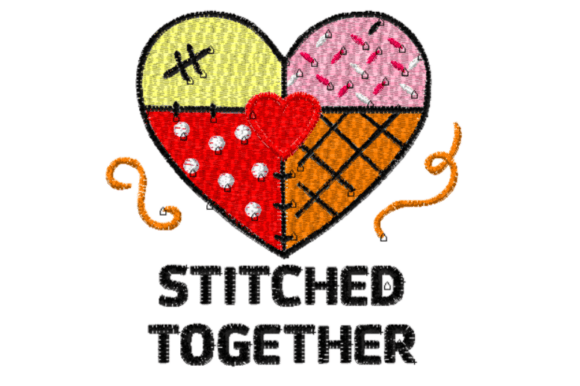
As an experienced embroidery designer preparing for the upcoming weekend craft fair season, I approach every new machine embroidery design with a critical eye. It is not enough for a file to simply digitize well; it must translate into a product that stops customers in their tracks at a busy market booth. When evaluating "Stitched Together," described as a patchwork heart made of stitched fabric panels, I immediately see potential for high-performing inventory. This design evokes an emotional and cozy aesthetic that aligns perfectly with current buyer preferences for nostalgic, handmade warmth. For Etsy sellers and boutique makers, this is more than just a Valentine's Day motif; it is a versatile asset for year-round sentimental goods.
First Impressions: Cozy Nostalgia Over Flashy Trends
The first impression of Stitched Together is undeniably soft and rustic. Unlike modern, minimalist line art or bold, cartoonish Valentine graphics, this design leans heavily into the farmhouse and cottagecore aesthetics that dominate handmade markets right now. The concept of "stitched fabric panels" suggests texture and depth, even if rendered entirely in thread. For a craft fair product, this visual texture is crucial. From three feet away—the typical distance a customer stands from a table display—the design needs to read clearly as something tactile and lovingly made. Stitched Together succeeds here because the patchwork style mimics actual quilting, triggering an immediate association with heirloom quality and comfort.
This design feels premium rather than generic. In a sea of standard red hearts, a scrappy, multi-panel heart stands out as intentional art. It appeals to buyers looking for meaningful gifts rather than disposable holiday decor. As a designer, I appreciate that the title itself serves as a marketing hook; "Stitched Together" implies connection, family, and unity, broadening its appeal beyond romantic partners to include mothers, grandmothers, and close friends.
Best Product Applications for Market Success
Determining where to apply this embroidery file is just as important as the design itself. Based on the cozy, patchwork nature of Stitched Together, certain products will naturally outperform others in a retail setting.
- Tea Towel Embroidery: This is arguably the strongest application. Flour sack towels or waffle-weave cotton provide the perfect neutral canvas for a scrappy heart. The design’s inherent texture complements the fabric texture of kitchen linens, making it a top-tier choice for bundled gift sets.
- Tote Bag Design: Natural canvas totes are craft fair staples. Stitched Together works beautifully centered on a medium-sized tote. The patchwork aesthetic reinforces the eco-friendly, reusable vibe of the bag itself. Ensure the hoop size allows for adequate breathing room around the heart so the design does not look cramped against the bag seams.
- Apron Embroidery: For culinary-themed vendors, this design adds a personalized, vintage touch to linen aprons. Placing the heart over the chest pocket area creates an intimate focal point that resonates with home cooks and bakers.
- Embroidered Patch: Given the "scrappy" description, this design is a natural candidate for standalone patches. Customers love adding iron-on or sew-on embellishments to denim jackets and backpacks. Producing these as add-on items can increase average transaction value at your booth.
- Pillow Covers: For higher price-point items, linen pillow covers featuring Stitched Together tap into the home decor market. The emotional weight of the design justifies a premium price tag when executed on quality upholstery fabric.
Production Practicality and Booth Display Strategy
When planning batch production for a market, efficiency matters. Stitched Together appears to be a design that balances visual complexity with production viability. However, patchwork styles often involve multiple color changes and alignment points. As a business owner, you must verify the stitch density before committing to a large run. If the simulated fabric panels use heavy fill stitches, production time per unit will increase. Conversely, if the patchwork effect is achieved through running stitches and appliqué, you can produce finished goods faster while maintaining that high-value handmade look.
For booth displays, variety captures attention. I recommend creating a "Stitched Together Collection" rather than scattering the design across unrelated items. Group a tea towel, a matching pouch, and a patch together. This visual merchandising strategy tells a cohesive story and encourages multi-item purchases. For online sellers, this design photographs exceptionally well due to its textural elements. Use natural lighting to highlight the thread sheen against matte fabrics. A printable mockup can also serve as a placeholder listing while you wait for physical samples to arrive, keeping your shop active during peak seasons.
Critical Technical Considerations and Careful Use Notes
While Stitched Together has immense commercial potential, specific technical factors require attention to ensure professional results. Not all fabrics or stabilizers will support a simulated patchwork effect equally.
- Fabric Texture Compatibility: Avoid highly textured terry cloth or thick fleece unless using an appliqué method. The intricate details of stitched panels can get lost in high-pile fabrics. Smooth cottons, linens, and canvas are safer bets for clarity.
- Stabilizer Selection: Because patchwork designs often mimic quilt blocks, they may have varying densities across the hoop. Use a sturdy cut-away stabilizer for stretchy knits or tote bags to prevent puckering between the "panels." For tea towels, a tear-away or wash-away topper helps keep stitches crisp on the surface.
- Thread Colors and Contrast: The success of this design relies on distinguishing one panel from another. Test your thread colors on scrap fabric first. Low-contrast threads will make the patchwork effect disappear, resulting in a muddy-looking heart. Variegated threads can enhance the scrappy feel but test them to ensure they don’t obscure the panel boundaries.
- Small Size Limitations: Be cautious when resizing down for small accessories like baby bibs or cap fronts. Tiny details in simulated stitching can merge at smaller scales. Always stitch out a test at the intended final size to confirm legibility.
- Curved Surfaces: If applying this to caps, the flat nature of patchwork geometry can distort on curved brims. Stick to structured caps with firm buckram backing, or reserve this design for flat surfaces to maintain geometric integrity.
Designer Notes for Commercial Viability
Before listing any finished product or digital asset derived from Stitched Together, conduct thorough due diligence. First and foremost, confirm the licensing terms of the original digital embroidery file. Ensure you have the appropriate commercial license for both physical product sales and digital distribution if you plan to resell the file itself. Never assume usage rights based solely on the product description.
Create at least one real-world sample before bulk production. Photograph this sample in context—draped over a chair, hanging on a hook, or being held by hand. Lifestyle imagery sells the "cozy" emotion far better than a flat scan. Check your spacing and alignment marks; patchwork designs often require precise registration. If the panels do not align perfectly, the illusion breaks, and the item looks defective rather than handmade.
Finally, consider the narrative in your product listings. When selling to fellow creatives or end consumers, explain the inspiration behind the design. Use tags like "valentine embroidery," "cozy design," and "scrappy heart" strategically, but weave them into sentences that describe the feeling of the product. For example, instead of just listing "tea towel," describe it as "a cozy tea towel featuring the Stitched Together patchwork heart, perfect for warming up your Valentine's Day kitchen."
Stitched Together represents a strong opportunity for embroidery businesses seeking to differentiate their Valentine’s Day and year-round offerings. By focusing on texture-appropriate products, verifying technical specifications, and leveraging the emotional resonance of patchwork aesthetics, you can transform this design into a best-selling staple for your handmade brand. Whether you are stocking a physical booth or optimizing an Etsy shop, let the cozy, connected spirit of this design guide your production choices toward items that truly resonate with buyers seeking meaning in every stitch.