Realistic French Bulldog: Dark Fabric Review
As an embroidery designer preparing for a weekend craft fair, I evaluate every machine embroidery design not just for its digital beauty, but for its commercial viability on a busy sales floor. When reviewing the Realistic French Bulldog design, my immediate assessment focuses on its specific technical constraints and visual impact. This is not a standard fill design; it is a textured portrait intended exclusively for black or very dark fabrics. For handmade shop owners and Etsy sellers, this distinction changes everything about production planning and booth display strategy.
First Impressions: Premium Texture Over Cartoon Charm
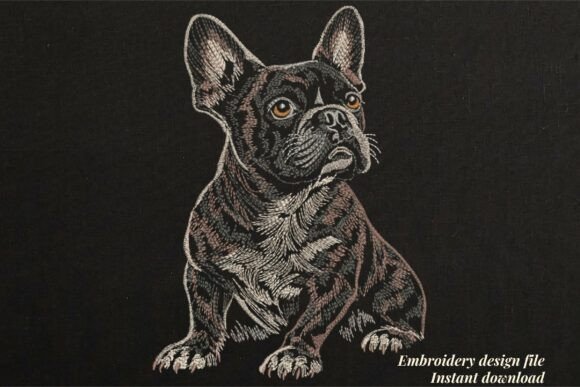
The first impression of the Realistic French Bulldog is undeniably premium and artistic. Unlike the flat, cartoonish dog designs that saturate the market, this piece relies on shading and texture to create depth. It feels modern and sophisticated rather than rustic or farmhouse. For a craft fair booth, this design signals high-end artistry. Customers browsing from three feet away will see a striking silhouette against a dark background, while those who step closer will appreciate the intricate detailing. This dual-layer visual appeal is crucial for stopping traffic at outdoor markets where lighting conditions vary.
Because the description specifies "embroidery is not full filling," we are likely dealing with a redwork, tonal, or sketch-style technique that utilizes the dark fabric as negative space. This creates a dramatic contrast that pops under booth lights. However, it also means the design lacks the heavy coverage of traditional satin stitches, making it feel lighter and more elegant. For creative entrepreneurs, this aesthetic positions the product as a boutique item rather than mass-market merchandise.
Best Selling Products for Dark Fabric Constraints
The restriction to black or very dark fabric dictates which products will actually sell. You cannot simply hoop a white tea towel and expect success. Based on my experience with similar digital embroidery files, here is how this design performs across different categories:
- Black Canvas Tote Bags: This is your primary craft fair product. A realistic Frenchie on a sturdy black tote creates a high-contrast, urban-chic accessory. The lack of full filling prevents the bag from becoming stiff or bulletproof, maintaining a natural drape that customers prefer.
- Dark Denim Aprons: For apron embroidery, this design excels on charcoal or indigo denim. The textured style mimics the weave of the denim, making the dog look integrated rather than stamped on. This is ideal for pet groomers, baristas, or artists who want functional gear with personality.
- Embroidered Patches: Creating patches on black twill or felt is a low-risk, high-reward application. Since the design requires dark backgrounds, pre-making patches allows you to offer customization without risking expensive finished goods. These serve as excellent add-on items at checkout.
- Black Velvet or Linen Pillow Covers: For home decor, the texture of this design pairs beautifully with matte black linen or plush velvet. The interplay between thread sheen and fabric texture elevates the perceived value significantly.
I would advise against using this specific file for standard white kitchen towels or light-colored caps unless you have verified through testing that the design includes an underlying white base layer, which contradicts the "dark fabric only" note. Always respect the designer’s substrate recommendations to avoid muddy results.
Production Practicality and Booth Display Strategy
For batch production, the non-full-fill nature of the Realistic French Bulldog is a major advantage. Reduced stitch counts mean faster run times, allowing you to produce more inventory before the fair. However, because the design relies on the fabric showing through, registration is critical. If your hooping is off by even a millimeter, gaps in the shading may look like errors rather than artistic choices.
When setting up your booth display, lighting is your best friend and worst enemy. Dark fabric absorbs light. You must use focused spotlights to highlight the thread texture; otherwise, the design will disappear into a black void. I recommend displaying samples on angled boards rather than flat tables to catch overhead lighting. For online sales, your printable mockup or product photography must be color-corrected to show the subtle tonal variations. A poorly lit photo of a dark-on-dark design looks like a solid black square on mobile screens.
Critical Technical Notes for Embroiderers
Before loading this embroidery file for commercial production, you must address several technical factors specific to realistic portraits on dark media:
- Fabric Texture Interference: Because the design is not fully filled, the grain of your fabric becomes part of the image. Smooth cotton sateen or tight-weave canvas works best. Avoid terry cloth or waffle-weave towels, as the texture will compete with the embroidery details and make the Frenchie’s expression look lost.
- Stabilizer Selection: Dark fabrics often show stabilizer residue or "hoop burn" more easily than light fabrics. Use a high-quality cut-away stabilizer for stretchy items like aprons to prevent puckering, but ensure you trim it flush. For woven totes, a medium-weight tear-away may suffice, but test first to ensure the open areas don’t distort.
- Thread Contrast and Sheen: Verify your thread colors against the specific black fabric you intend to use. Some blacks have blue undertones, others brown. A mismatch can make the embroidery look dull. Consider using a variegated or matte thread if the design calls for realism, as high-sheen rayon can sometimes look too plastic against a natural dark fiber.
- Sizing Limitations: Realistic details do not scale down infinitely. Check the minimum size recommended by the digitizer. Shrinking a textured portrait below 4 inches often results in lost facial features and merged stitch lines. If you need a small accent for a cap or pouch sleeve, verify clarity at that specific dimension before committing to production.
Evaluating Commercial Value and Brand Consistency
Does the Realistic French Bulldog justify a higher price point? Absolutely, provided the execution is flawless. Customers understand that detailed portraiture requires skill. This design moves your brand away from generic "dog mom" merch toward curated textile art. For Etsy sellers, this differentiation is key to standing out in search results saturated with simple outlines.
However, consistency is paramount. If you sell this design on a tote bag, the quality must match your other offerings. A realistic portrait with poor tension or visible bobbin thread on dark fabric looks worse than a simple monogram with the same flaws. The high contrast amplifies mistakes. Therefore, this design demands your highest level of quality control.
Designer’s Pre-Production Checklist
Never take a digital embroidery file straight to a final product without validation. As a professional reviewer, I insist on this workflow for the Realistic French Bulldog:
- Test on Exact Substrate: Do not test on white scrap fabric. Test on the exact black material you plan to sell. The interaction between thread and dark dye is unique.
- Check Licensing: Confirm the commercial license terms. Some realistic portraits are licensed for personal use only or limit the number of physical products sold. Protect your business by verifying rights before listing.
- Create Physical Mockups: Digital renderings cannot replicate the texture of non-filled embroidery on dark cloth. Stitch out a sample to photograph for your listings. Authentic photos convert better than sterile mockups for this style.
- Inspect Spacing and Density: Run a slow test stitch-out to watch how the design builds. Ensure there are no excessive jumps or trims that could compromise the structural integrity of lightweight dark fabrics.
The Realistic French Bulldog is a powerful asset for makers targeting the premium pet lover demographic. Its reliance on dark fabric creates a built-in niche that reduces direct competition. By respecting its technical requirements and leveraging its artistic strengths, you can transform this design asset into a standout seller at your next market. Remember, in embroidery, the constraint is often the catalyst for creativity. Embrace the darkness, master the texture, and let the realism speak for itself.