Sketched Pink Rose: A Craft Fair Seller’s Review
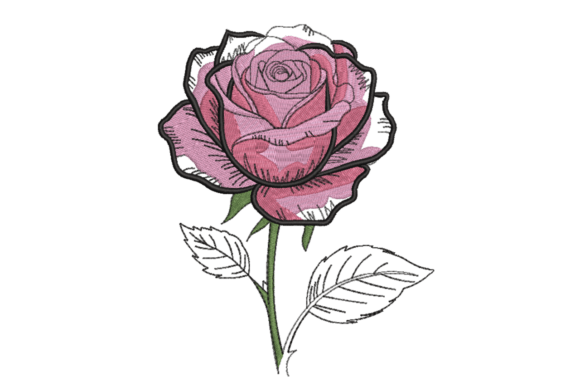
As I prepare my inventory for the upcoming weekend craft fair, selecting the right machine embroidery design is just as critical as choosing the blank products themselves. Booth space is limited, and every item on display must earn its keep. When evaluating the Sketched Pink Rose for my next production run, I am looking at more than just a pretty digital file; I am assessing a potential bestseller. This artistic composition, which blends abstract blocks of soft pink and rose colors to capture a hand-painted aesthetic, offers a unique opportunity for handmade business owners. It bridges the gap between traditional floral motifs and modern artistic expression, making it a versatile candidate for various craft fair product lines.
First Impressions and Artistic Vibe
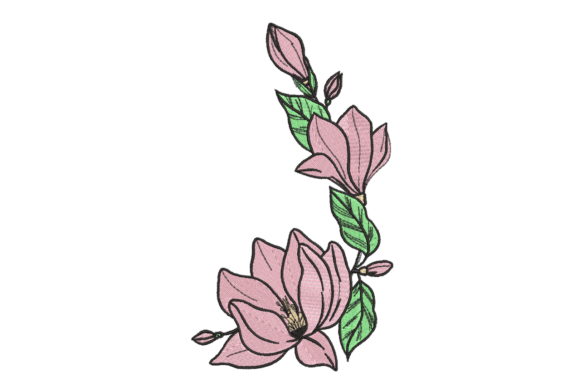
The immediate appeal of the Sketched Pink Rose lies in its departure from standard, hyper-realistic digitizing. Many single flower designs can feel stiff or overly dense, but this design mimics the fluidity of watercolor or acrylic paint. For an Etsy seller or boutique maker, this "sketched" quality signals artistry rather than mass production. The first impression is undeniably soft yet sophisticated. It does not scream "country rustic," nor does it feel strictly formal. Instead, it occupies a trendy middle ground of romantic minimalism that appeals to a wide demographic, from young professionals seeking aesthetic tote bags to older customers looking for elegant tea towels.
This artistic style is particularly valuable for digital sellers and creative entrepreneurs because it photographs beautifully. The variation in stitch direction and color blending creates texture that translates well in listing photos and printable mockups. Unlike flat satin-stitch flowers that can glare under flash photography, the sketched texture absorbs light, giving your online listings a premium, tactile appearance even before the customer touches the finished product.
Best Applications for Market Products
When planning my booth display, I have to match the design to the substrate. The Sketched Pink Rose performs differently across various blanks, and understanding these nuances is key to maximizing sales.
- Tote Bags and Market Shoppers: This is arguably the strongest application. The artistic, painterly nature of the rose complements natural canvas and linen textures perfectly. As a tote bag design, it serves as a focal point without being overwhelming. Customers at farmers' markets and craft fairs are drawn to reusable bags that look like wearable art. The soft pinks against unbleached canvas create a high-value perception that justifies a higher price point.
- Aprons and Kitchen Textiles: For apron embroidery and tea towel embroidery, this design adds a touch of feminine elegance to functional items. Because the design uses abstract blocks of color rather than heavy outlines, it maintains the drape of the fabric better than denser traditional florals. This makes it ideal for lighter-weight linens where stiffness is a concern.
- Patches and Small Accessories: While primarily a larger artistic piece, the Sketched Pink Rose can be adapted for smaller items if resized correctly. However, as an embroidered patch, it requires careful testing. The sketched details must remain legible when reduced. If successful, these make excellent add-on items or impulse buys at the checkout table.
- Pillow Covers and Home Decor: The hand-painted aesthetic elevates simple pillowcases into boutique home decor. This category allows for larger hoop sizes, showcasing the full gradient and artistic intent of the digital embroidery file.
Production Practicalities and Selling Points
From a production standpoint, efficiency matters. A design might be beautiful, but if it takes three hours to stitch out with frequent thread breaks, it is not viable for batch production. The Sketched Pink Rose appears to balance coverage with stitch economy. The use of abstract blocks suggests a fill technique that covers area quickly without excessive density. This is crucial for commercial embroidery workflows where time equals profit.
For small shop product creators, repeatability is essential. This design is distinct enough to be recognizable as part of a cohesive brand collection but versatile enough to apply across multiple categories. You could easily build a "Spring Garden" collection featuring this rose on aprons, matching oven mitts, and coordinating napkins. This consistency strengthens brand identity and encourages customers to buy sets rather than single items.
Furthermore, the visual clarity of this design aids in selling. At a glance across a crowded craft fair aisle, the contrast of the pink rose against neutral backgrounds catches the eye. It reads clearly as a flower, avoiding the ambiguity that sometimes plagues overly abstract art. This instant recognition reduces the friction between seeing the item and deciding to purchase it.
Critical Use Notes and Technical Considerations
Despite its versatility, the Sketched Pink Rose demands respect during production. As an experienced designer, I must highlight specific technical constraints to ensure your handmade product meets professional standards.
Fabric Texture and Stabilizer Choice
The "sketched" effect relies on precise stitch placement. On highly textured fabrics like terry cloth or waffle-weave towels, the fine details of the sketch may get lost or sink into the pile. Always use an appropriate stabilizer. For tea towels, a medium-weight cutaway or tear-away (depending on fabric weight) is necessary to prevent puckering. For canvas tote bags, ensure the stabilizer supports the stitch density without adding unnecessary bulk that makes the bag stiff.
Thread Colors and Contrast
The description mentions blending abstract blocks of soft pink and rose. To achieve this hand-painted look, thread colors must be selected carefully. Do not rely solely on the chart included with the embroidery file. Test the blend on your specific fabric. Sometimes, what looks like a gentle gradient on screen can appear muddy or too stark in real thread. Ensure there is enough contrast between the lightest pink and the deepest rose so the definition remains visible from a distance.
Sizing and Detail Integrity
While this design works beautifully as a large centerpiece, exercise caution when resizing down. Sketched designs often utilize running stitches or lighter fills to mimic pencil lines. Reducing the design too much can cause these elements to disappear or become jagged. Always verify the minimum recommended size in the design assets. If you intend to use this on curved surfaces like caps, test extensively; the flat, painterly aesthetic may distort on a 3D surface unless specifically digitized for headwear.
Designer’s Pre-Production Checklist
Before listing any item made with the Sketched Pink Rose or bringing it to a market, follow this practical workflow:
- Stitch Out a Sample: Never sell based on a screen preview. Stitch the design on the exact fabric you plan to sell. Check for registration issues between the color blocks.
- Verify Hoop Size Compatibility: Confirm the dimensions fit your machine’s capabilities. If the design is near the limit of your hoop size, ensure you have adequate clearance to avoid hitting the frame during stitching.
- Create Real Mockups: Photograph your actual stitched sample for listings. Customers trust real photos over digital renders. Show close-ups of the stitch texture to highlight the artistic quality.
- Check Licensing: Review the terms of use for the design assets. Confirm you have the right to sell finished physical products. Some licenses restrict commercial use or require attribution.
- Assess Value Proposition: Price your items to reflect the artistic nature of the design. This is not a generic clip-art flower; it is a premium embellishment. Your pricing should communicate that value to the buyer.
The Sketched Pink Rose represents a strong addition to any embroidery business portfolio. Its blend of artistic flair and commercial viability makes it a standout choice for craft fairs and online shops alike. By respecting the technical requirements and leveraging its unique aesthetic, you can transform this single flowers design into a signature product that drives engagement and sales. Whether applied to a sturdy market tote or a delicate linen napkin, this design carries the hallmark of thoughtful, profitable craftsmanship.