Dandelion Dream Girl: A Craft Fair Embroidery Review
As an experienced embroidery designer preparing for a busy weekend craft fair, I approach every new machine embroidery design with a critical eye. It is not enough for a file to be technically sound on a computer screen; it must translate into a tangible, sellable handmade product that catches the attention of shoppers walking past a booth. When evaluating "Dandelion Dream Girl" for my upcoming market table, I am looking at more than just stitch paths. I am assessing commercial viability, production efficiency, and emotional resonance. This design, categorized under Babies and Embroidery, suggests a softness and nostalgia that can be a powerful sales driver if applied correctly.
First Impressions and Booth Appeal
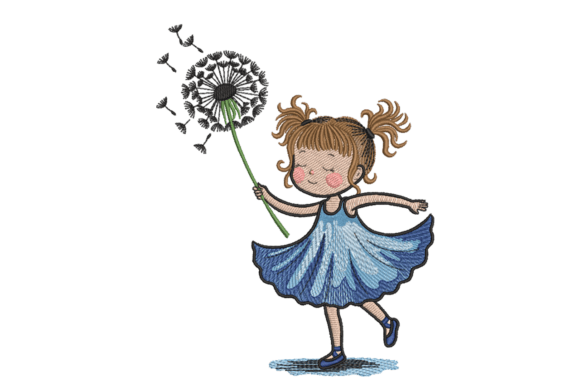
The title "Dandelion Dream Girl" immediately evokes a specific aesthetic: whimsical, gentle, and decidedly vintage-inspired. In the context of a crowded craft fair, this design does not scream for attention with neon colors or aggressive typography. Instead, it offers a moment of visual calm. My first impression is that this artwork leans heavily into the cottage-core and nursery trends that continue to dominate the handmade marketplace. For an Etsy seller or boutique maker, this mood is valuable because it targets a specific demographic: parents, grandparents, and gift-givers looking for sentimental keepsakes rather than generic merchandise.
Visually, I anticipate this design features flowing lines and organic shapes typical of dandelion motifs. At a glance, it reads as elegant and delicate. However, delicacy can be a double-edged sword in a physical retail environment. From three feet away—the average distance a customer views a table display—the fine details of a "dream girl" silhouette or dandelion seeds must remain distinct. If the design relies too heavily on tiny running stitches or low-contrast thread colors, it risks disappearing against fabric textures. As a reviewer, I judge this design as a strong contender for focal points on light-colored backgrounds where the intricate nature of the embroidery can be appreciated up close.
Best Product Applications for Market Sales
Determining which craft fair product will yield the highest return on investment is crucial. Not every design works on every blank. Based on the theme and likely complexity of Dandelion Dream Girl, here is how I evaluate its performance across standard inventory:
- Nursery Textiles and Pillow Covers: This is the primary home for this design. The "Babies" category alignment makes embroidered pillow covers or crib sheets a natural fit. Customers expect high-detail embroidery on these items and are willing to pay a premium for the perceived labor.
- Tote Bag Design: A canvas tote featuring this design serves as an excellent mid-tier price point item. The natural texture of cotton canvas complements the organic dandelion theme. However, ensure the design is sized appropriately; a small 3-inch motif may look lost on a large market bag, while a full 6-inch version creates a balanced composition.
- Tea Towel Embroidery: Flour sack towels are a staple for small shop product lines. The smooth weave allows for crisp registration of fine details. This design would likely perform best as a decorative accent near the hem or corner rather than a center-placed block, preserving the towel's functionality.
- Apron Embroidery: While viable, proceed with caution. Aprons endure washing and wear. If Dandelion Dream Girl contains excessive satin stitches or loose seed elements, they may snag during use. Reserve this application for decorative aprons intended for light duty or photography props.
- Embroidered Patch: If the design has a defined border or can be adapted to one, creating patches allows for versatile selling. Patches appeal to customers who want the art but do not need a full textile product. They also serve as excellent add-on sales at the register.
Production Practicality and Batch Efficiency
For a commercial embroidery business, time is money. Before committing Dandelion Dream Girl to a batch run, I evaluate its production friendliness. Does the design require constant thread changes? Are there excessive trims that slow down the machine? A design with fifteen color changes might look beautiful digitally but becomes unprofitable when producing twenty units for a fair. Ideally, this design should utilize tonal shading or blendable thread colors to minimize stops.
Photographability is another key metric. Digital embroidery file previews often differ from reality. For online listings and social media marketing leading up to the fair, the finished sample must photograph well without extensive editing. Dandelion themes can sometimes appear muddy in photos if the thread sheen reflects poorly. I recommend testing matte versus rayon threads to see which captures the "dreamy" quality best on camera. Additionally, creating a printable mockup using real stitch-out photos helps validate the design's scale before cutting expensive fabric.
Critical Technical Considerations and Risks
Even the most beautiful embroidery file can fail if technical limitations are ignored. When reviewing Dandelion Dream Girl, several risk factors demand attention:
- Stitch Density and Fabric Texture: Dandelion seeds are often rendered with lightweight stitches. On textured fabrics like linen or terry cloth, these details can sink in and vanish. Always pair this design with appropriate stabilizer. A cut-away backing is non-negotiable for stretchy baby garments to prevent puckering, while a water-soluble topping may be necessary for tea towels to keep fine lines on the surface.
- Small Lettering and Details: If the design includes script text like "Dream Girl," verify the letter height. Anything under 4mm risks becoming illegible after washing. Test the smallest acceptable size on scrap fabric before bulk production.
- Hoop Size Limitations: Confirm your machine’s maximum field size against the design dimensions. Resizing complex artwork can distort stitch angles and cause registration errors. Always check the original hoop size specifications provided by the digitizer.
- Curved Surfaces: Avoid placing this design on caps unless it has been specifically digitized for curved surfaces. Flat designs distorted onto a hat brim often result in gapping or poor coverage, diminishing the professional quality expected at a handmade market.
Designer Notes for Successful Execution
To maximize the selling potential of Dandelion Dream Girl, treat the preparation phase as seriously as the stitching phase. Begin by verifying commercial licensing terms; ensure you have the right to sell finished products derived from this design assets package. Never assume a license covers all uses.
Create at least one physical prototype on the exact fabric you intend to sell. Digital simulations cannot replicate the interplay of thread tension and fabric grain. Inspect the back of the embroidery; excessive jump stitches or messy bobbin work devalues the finished product and signals amateur production to discerning buyers. Compare thread colors against your booth backdrop and packaging. The "dream" aesthetic requires cohesive branding; jarring color mismatches can break the spell.
Finally, consider the narrative. When displaying this item at a craft fair, use signage that reinforces the story. Words like "heirloom," "nursery," and "hand-stitched" bridge the gap between a digital file and a cherished object. By combining technical precision with thoughtful merchandising, Dandelion Dream Girl can transition from a simple embroidery pattern to a signature piece in your handmade business lineup. Remember, in the world of commercial embroidery, the designs that sell are those that balance artistic beauty with manufacturing reality.