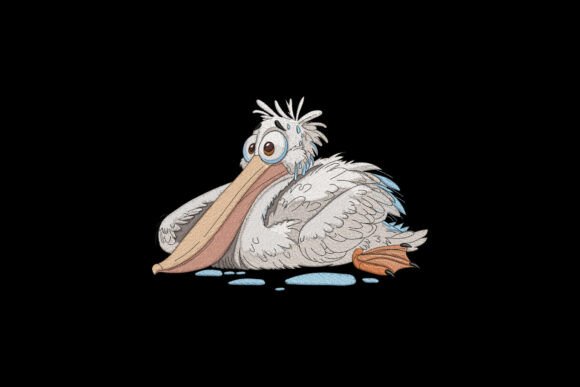
Cute Pelican: A Charming Embroidery Design Review
As an embroidery designer who has stitched countless custom orders for Etsy shops and personal gifts, I am always on the lookout for machine embroidery designs that balance technical quality with genuine emotional appeal. When browsing Creative Fabrica embroidery collections, the Cute Pelican design immediately caught my eye. In a category often dominated by generic clip art, this bird design offers a subtle touch of charm and creativity that feels distinctly handmade. For crafters creating personalized gifts or small shop products, finding a motif that translates well from screen to fabric is essential. This review evaluates the Cute Pelican from the perspective of a professional digitizer and maker, focusing on its real-world application for baby embroidery, home decor, and commercial projects.
First Impressions: Softness and Handmade Charm
The first thing I noticed about the Cute Pelican is its visual softness. Unlike rigid, overly dense stock designs, this embroidery file appears to prioritize a decorative style that mimics hand-stitching. The lines feel organic rather than mechanical, which is crucial when stitching for babies or creating cozy nursery decor. The emotional appeal lies in its playfulness without being childish; it strikes a mature yet sweet balance suitable for both children’s items and adult home accessories.
For an Etsy seller or wedding gift creator, this aesthetic versatility is valuable. The design does not scream "mass-produced." Instead, it carries the warmth necessary for a meaningful embroidered gift. Whether you are planning a beach-themed wedding towel or a unique baby blanket, the pelican’s gentle expression and stylized form provide a strong foundation for custom embroidery that buyers perceive as high-quality and thoughtful.
Real-World Applications for Personalized Gifts
When evaluating a digital embroidery file, I always imagine specific client scenarios. The Cute Pelican excels in several key areas where handmade products shine:
- Nursery and Baby Embroidery: The design’s inherent sweetness makes it ideal for onesies, bibs, and crib sheets. Because the description notes it adds a "subtle touch," it avoids overwhelming small garments, making it perfect for delicate baby clothes.
- Coastal Home Decor: For clients requesting beach house vibes, this bird is far more charming than standard anchors or lighthouses. It works beautifully on pillow covers, tote bags, and aprons, adding personality to functional items.
- Wedding and Event Keepsakes: Destination weddings often feature local wildlife themes. Stitching this pelican onto linen napkins or guest towels creates a memorable, location-specific wedding gift that feels bespoke.
- Apparel Customization: As noted in the product details, this design is perfect for T-shirts. Its likely moderate density prevents the "bulletproof" patch effect on knit fabrics, ensuring the shirt remains comfortable to wear.
Technical Considerations for Stitch-Out Success
A beautiful image must also be a functional stitch file. When preparing the Cute Pelican for production, there are practical concerns every embroiderer must address to ensure customer trust and product longevity.
Fabric Texture and Stabilizer Choice
The product description highlights suitability for towels and pillows. Terry cloth and textured linens present unique challenges. Before stitching the final product, you must select the correct stabilizer. For towels, a water-soluble topper is non-negotiable to prevent the pile from poking through the stitches and obscuring the pelican’s fine details. For stretchy T-shirts or baby knits, a soft cut-away stabilizer is essential to maintain registration and prevent distortion during washing. Always test your stabilizer combination on a scrap of the exact fabric texture you intend to use.
Stitch Density and Small Details
Bird designs often contain intricate feather details or facial features. As a professional, I advise checking the stitch density before running a full production batch. If the Cute Pelican has high-density fill areas, stitching it on lightweight baby fabric could cause puckering or stiffness. Conversely, if the density is too light for a thick blanket, the design may sink into the fibers. Reviewing the design properties in your software allows you to make minor adjustments if necessary. This step ensures the finished product feels as good as it looks.
Thread Colors and Contrast
The charm of this design relies heavily on thread color selection. While the digital preview shows one palette, your physical thread colors may vary. I recommend doing a comparison test. Does the beak color contrast sufficiently against the body? Are the eyes defined clearly against the background fabric? Dark fabrics require careful consideration; you may need to add an underlay or adjust colors to maintain visibility. High-quality thread colors elevate the perceived value of the item, distinguishing your work from amateur attempts.
Building Trust Through Quality Presentation
For Etsy sellers and small business owners, the way you present the Cute Pelican affects buyer engagement. Customers cannot touch the digital file, so they rely on your presentation to judge quality.
Create Physical Mockups: Do not rely solely on digital renderings. Stitch out a sample on a representative fabric and photograph it in natural light. Show close-ups of the stitch texture. This proves to buyers that the design stitches out cleanly and validates your expertise.
Highlight Emotional Value: In your listing descriptions, connect the design to the recipient. Instead of just saying "bird embroidery," describe it as "a whimsical pelican perfect for welcoming a new baby" or "coastal charm for your favorite reading chair." This narrative approach increases the giftability of your product.
Use Printable Mockups Wisely: If you sell the digital embroidery file itself or use printable mockups for pre-orders, ensure they accurately reflect the scale and color. Misleading visuals lead to returns and negative reviews. Transparency builds long-term customer trust.
Essential Pre-Stitch Checklist for Makers
Before you hoop your fabric and start stitching the Cute Pelican for a paid order or cherished gift, follow this professional checklist to avoid costly mistakes:
- Verify Licensing: Check the specific license terms on Creative Fabrica. Confirm whether you have rights for commercial embroidery, selling finished products, or using the design in printable mockups. Never assume usage rights.
- Confirm Hoop Size: Ensure the design dimensions fit comfortably within your machine’s hoop size with adequate margin for stabilization. Resizing can alter stitch density and distort delicate shapes.
- Run a Test Stitch-Out: Always stitch a sample on similar fabric weight and texture. Check for registration issues, thread breaks, or excessive density.
- Review Product Details: Double-check the file format compatibility with your machine and note any specific color changes or trims indicated in the design file.
- Assess Wash Durability: If making baby items or towels, wash and dry your test sample. Ensure the design holds up without fraying or distorting, as this directly impacts customer satisfaction.
Final Thoughts for the Creative Embroiderer
The Cute Pelican represents the kind of thoughtful design that elevates handmade goods above mass-market alternatives. Its blend of playful charm and versatile styling makes it a reliable choice for everything from baby blankets to custom tote bags. However, the success of any machine embroidery design ultimately depends on the maker’s attention to detail. By respecting fabric characteristics, testing thoroughly, and presenting your work with honesty, you transform a simple digital file into a treasured keepsake. Whether you are fulfilling a custom order or stocking your Etsy shop, this design offers a wonderful opportunity to create something truly special.