Number 9 Autumn Monogram: Business Review
As a professional embroidery designer specializing in commercial branding and merchandise production, I approach every new machine embroidery design with a critical eye toward manufacturability and brand application. When evaluating the Number 9 Autumn Monogram for small business use, my primary focus shifts beyond mere aesthetics to practical performance on branded goods. This review examines how this specific embroidery file translates from a digital concept to a tangible asset for cafes, boutiques, florists, and travel-related businesses seeking seasonal relevance.
Visual Personality and Professional First Impressions
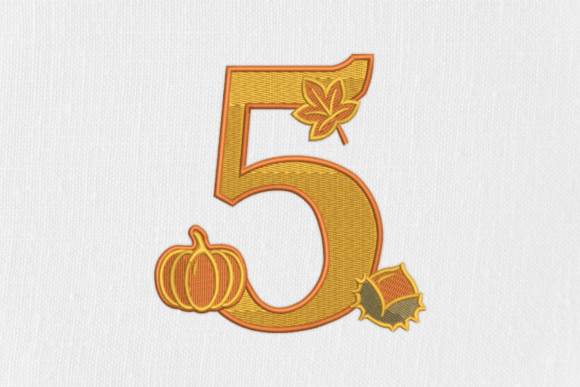
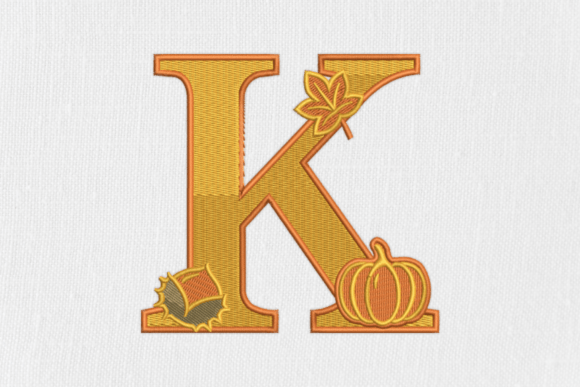
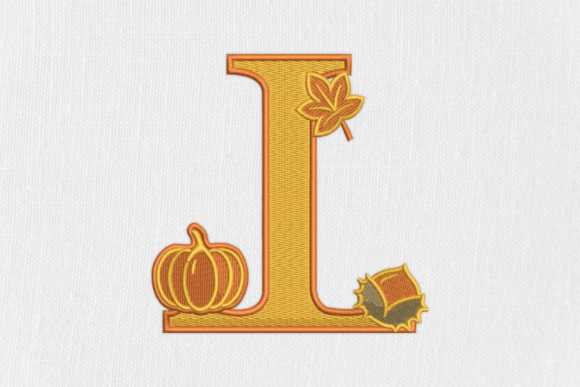
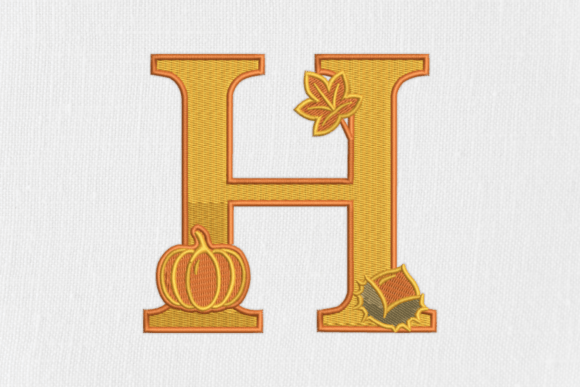
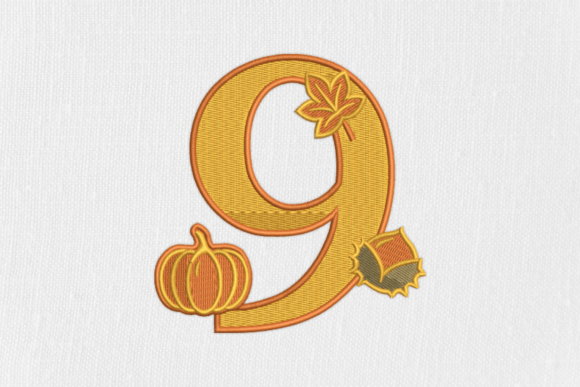
The first impression of the Number 9 Autumn Monogram is distinctly rustic yet refined. Based on the description emphasizing a connection to nature and changing seasons, this design carries an organic warmth that is highly valuable for businesses wanting to project an artisanal or eco-conscious image. Unlike rigid, corporate block lettering, the artistic integration of autumnal elements suggests a handmade product aesthetic even when machine-produced. For a bakery, florist, or outdoor gear shop, this visual language communicates authenticity immediately.
However, "artist-designed" can sometimes be a red flag in commercial embroidery. Artistic flair often implies complex shading or variable line weights that do not always digitize cleanly for high-volume production. My initial assessment suggests this design leans toward elegance and classic styling rather than bold modernism. This makes it exceptionally strong for boutique merchandise but requires careful handling if applied to industrial uniforms where high visibility at a distance is paramount. The design feels premium and intentional, positioning it perfectly for customer-facing items like tote bags and aprons rather than back-of-house workwear.
Performance Across Branded Merchandise Applications
In real-world business scenarios, versatility is key. The Number 9 Autumn Monogram shows significant promise across several core product categories for small business owners and Etsy sellers.
Apron and Staff Uniform Embroidery
For hospitality businesses preparing for the fall season, apron embroidery serves as both uniform and decor. This monogram’s likely moderate complexity allows it to sit comfortably on canvas or denim aprons without causing excessive puckering. As a chest logo accent, it adds seasonal flair without overwhelming the staff member's appearance. It strikes a balance between festive and professional, ensuring employees look polished while reinforcing the seasonal menu or collection theme.
Tote Bag Design and Retail Merch
Tote bag design is perhaps the strongest application for this specific asset. Canvas totes provide a stable, flat surface ideal for capturing the intricate details of an autumn-themed monogram. For travel brands or local shops selling curated goods, this design transforms a generic utility item into a collectible seasonal piece. The artistic nature of the Number 9 Autumn Monogram encourages customers to keep and reuse the bag, extending brand exposure well beyond the point of sale.
Cap Embroidery and Curved Surfaces
Cap embroidery presents unique challenges due to the curved surface and limited stitch area. If the Number 9 Autumn Monogram features delicate serifs or thin connecting vines common in autumn art, it may require modification before running on caps. However, if the digitizing maintains adequate column width, it could serve as a sophisticated side-detail or low-profile front logo for lifestyle brands targeting outdoor enthusiasts during cooler months.
Critical Considerations for Production Safety
While the aesthetic potential is high, experienced embroiderers know that beautiful designs can fail in production if technical limits are ignored. There are specific areas where the Number 9 Autumn Monogram demands caution.
- Small Patch Sizes: Creating an embroidered patch under three inches requires verifying that all internal details remain legible. Intricate leaf textures or fine lines in the monogram may merge at small scales, creating a muddy appearance. Always request a size-specific test sew-out.
- Stitch Density Management: Autumn themes often involve fill stitches to create texture. High stitch density on lightweight fabrics can cause distortion or needle damage. Ensure the file has proper underlay and isn't overly dense for the intended substrate.
- Fabric Texture Compatibility: On highly textured fabrics like fleece or terry cloth, fine details get lost. This design may require a topping or slight enlargement to maintain clarity on plush materials often used in fall merchandise.
- Thread Color Contrast: Seasonal palettes often include muted tones like rust, olive, and gold. Test these thread colors against your base garment color. Low contrast looks elegant in photos but may disappear in retail lighting. Ensure sufficient contrast for brand recognition.
Impact on Brand Identity and Customer Trust
Integrating the Number 9 Autumn Monogram into your product line does more than decorate; it signals attentiveness to the customer experience. Seasonal updates to brand identity demonstrate that a business is active, current, and engaged with its community. For handmade brands and Etsy sellers, using specialized design assets like this elevates perceived value. Customers associate detailed, thematic embroidery with higher quality compared to generic heat transfers or stock clipart.
Furthermore, consistency builds trust. Using this monogram across packaging accents, gift tags, and apparel creates a cohesive visual narrative. When a customer receives a package wrapped with a sticker featuring the same motif found on the staff apron, it reinforces professionalism. In the travel sector, where souvenirs drive revenue, a well-executed seasonal monogram can turn standard merchandise into a memorable keepsake that captures the specific time and place of the visit.
Designer Notes for Successful Implementation
Before loading this digital embroidery file into your machine for a full production run, adhere to these professional best practices to ensure the finished product meets commercial standards.
- Verify Technical Specifications: Since exact stitch counts, hoop sizes, and licensing terms are not explicitly detailed in the basic description, you must confirm these parameters before purchase. Ensure the hoop size matches your equipment capabilities and that the license permits commercial merchandise sales.
- Create Printable Mockups: Before stitching, generate a printable mockup to visualize scale and placement. Share this with clients or team members for approval to avoid costly rework. Digital visualization helps identify if the design feels too large or small relative to the garment.
- Test on Real Fabric: Never assume a design will run perfectly on a new material. Use the actual stabilizer and fabric combination intended for production. Check for registration issues, thread breaks, or fabric tunneling.
- Assess Washability: If the merchandise requires frequent laundering (like cafe aprons), test wash the sample. Ensure the design holds up without unraveling or distorting. Some decorative threads may not withstand industrial washing cycles.
- Compare Beside Existing Assets: Place the Number 9 Autumn Monogram next to your current logos and fonts. Ensure the style complements rather than clashes with your established custom apparel guidelines. Visual harmony is essential for professional presentation.
The Number 9 Autumn Monogram represents a valuable opportunity for small businesses to refresh their merchandise offerings with seasonal charm. By approaching this design with technical diligence and strategic intent, embroiderers can transform a simple digital file into a powerful tool for engagement and sales. Whether applied to a cozy tote bag or a staff uniform, success lies in respecting both the artistry of the design and the realities of commercial production. Always prioritize testing and verification to ensure your finished product reflects the quality your brand promises.