Sewing Line Art: A Designer’s Apparel Review
As an embroidery designer constantly scouting for versatile assets, I approach every new machine embroidery design with a specific question: will this translate from a digital screen to a tangible, sellable garment? When evaluating Sewing Line Art on Creative Fabrica, my focus shifts immediately to its potential for boutique apparel. This is not merely about whether the file digitizes correctly; it is about whether the aesthetic serves the current market demand for minimalist, artisanal clothing. For Etsy sellers and small shop owners, finding a design that balances visual interest with production efficiency is key to maintaining healthy margins and brand consistency.
First Impressions: Visual Mood and Stitch Personality
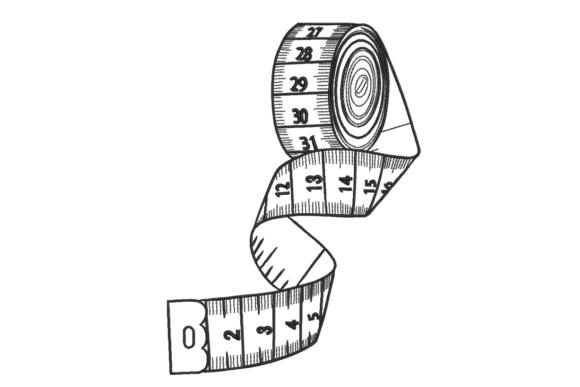
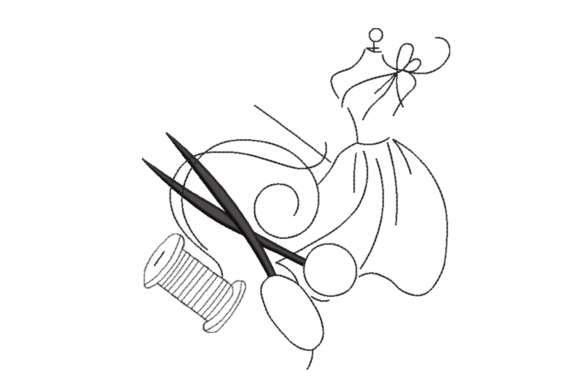
Upon opening the embroidery file, the immediate impression of Sewing Line Art is one of refined simplicity. Unlike dense fill designs that can feel heavy or dated, line art relies on the confidence of the stitch path. This particular collection carries a mood that feels both nostalgic and contemporary. It strikes a balance between rustic charm and modern minimalism, making it exceptionally suitable for the "slow fashion" aesthetic currently dominating social media feeds.
The decorative strength here lies in negative space. Because the design utilizes running stitches and satin outlines rather than large fill areas, it maintains the drape and softness of the fabric. This is a critical factor for sweatshirt embroidery and cozy seasonal outfits where comfort is paramount. The visual personality reads as premium yet accessible, avoiding the overly cutesy vibe that can sometimes alienate adult buyers looking for sophisticated custom apparel. It feels intentional, like a sketch brought to life with thread, which adds significant perceived value to a blank garment.
Application Strategy for Sweatshirts and Hoodies
When planning a capsule collection, versatility is non-negotiable. Sewing Line Art performs admirably across various placements because of its scalable nature. For hoodie design, I envision this working beautifully as a left-chest placement. The open structure of line art prevents the "bulletproof vest" effect that dense embroidery can create on fleece. It allows the garment to remain soft against the skin while providing a distinct focal point.
For oversized sweatshirts, consider utilizing the design as a sleeve accent near the wrist or cuff. This placement is trending heavily in boutique brand collections because it offers a subtle detail visible when the wearer holds a coffee cup or types on a keyboard. Back designs are another strong option; however, because line art is delicate, scaling it up for a full back print requires careful attention to stitch density. You may need to adjust the underlay or increase the stitch length slightly to prevent the design from getting lost in the texture of heavy fleece.
Beyond tops, this design translates seamlessly to accessories. Tote bags benefit immensely from line art because the single-needle aesthetic mimics hand-drawn illustrations. For denim jackets, the contrast of light thread on dark indigo creates a striking, classic look that appeals to vintage lovers. The design’s inherent flexibility means you can create a cohesive product line—matching hoodies, tees, and bags—without the merchandise looking repetitive.
Technical Considerations for Apparel Decorators
While Sewing Line Art is visually appealing, successful execution requires technical diligence. Line art is unforgiving; there is no dense fill to hide registration errors or fabric puckering. As a professional, I advise testing on scrap fabric that matches your production garments exactly before committing to a full run.
- Stabilizer Selection: For stretchy knits and ribbed fabrics, a cut-away stabilizer is mandatory. Line art can distort easily if the fabric shifts during hooping. Consider using a fusible mesh stabilizer to keep the garment soft while providing necessary support.
- Fabric Texture: On high-pile fleece or terry cloth, thin lines can sink into the fabric. You may need to add a water-soluble topping to ensure the stitches sit proudly on top of the texture. Always verify how the design interacts with the specific nap of your chosen material.
- Hoop Size and Tension: Confirm your hoop size accommodates the design without excessive empty space, which can lead to flagging. Proper hoop tension is vital; too tight causes distortion, while too loose leads to misalignment. Line art demands perfect tension.
- Thread Colors: Contrast is everything. Test thread colors against your garment palette. A tone-on-tone approach offers a luxury, subtle look, while high contrast creates a bold graphic statement. Ensure the thread weight complements the delicacy of the line work.
Always review the specific product details on Creative Fabrica regarding licensing. Before selling finished apparel, confirm that the license permits commercial use of the physical embroidered items. Additionally, check the included file formats to ensure compatibility with your specific machine brand to avoid conversion issues that could alter stitch paths.
Elevating Brand Identity and Customer Trust
In the crowded marketplace of handmade goods, presentation dictates price. Using a cohesive design language like Sewing Line Art helps establish a recognizable boutique brand identity. When customers see consistent, high-quality embroidery across your listings, it builds trust. They understand that they are purchasing a curated product, not a generic print.
This design also excels in marketing assets. Because line art is clean and uncluttered, it photographs exceptionally well for lifestyle product photos and printable mockups. It does not compete with background elements or model styling, allowing the garment to remain the hero. For Etsy seller thumbnails, the clarity of line art ensures the design is readable even at small sizes, improving click-through rates.
Furthermore, offering commercial embroidery products with this level of artistic integrity signals professionalism. Buyers are increasingly savvy; they can distinguish between a rushed job and a thoughtfully executed piece. By choosing a design that respects the fabric and the craft, you validate the buyer's investment. This emotional connection is what turns one-time purchasers into loyal followers of your small shop product line.
Final Designer Notes for Production
Before launching your collection, treat Sewing Line Art as a collaborative partner in your design process. Do not assume the digital embroidery file is plug-and-play for every fabric type. Run a test stitch-out on a dark garment to check for bobbin thread show-through, as line art often exposes the underside of stitches. Inspect the stitch density settings; if the lines feel too rigid on a lightweight t-shirt, consult your digitizing software to reduce density or adjust pull compensation.
Remember that the value of this asset extends beyond the initial purchase. It is a tool for storytelling. Whether you are creating cozy seasonal outfits for a winter launch or breathable linen pieces for summer, Sewing Line Art provides the visual anchor your collection needs. By combining this elegant design with rigorous testing and strategic placement, you transform a simple handmade product into a desirable wardrobe staple. Always prioritize the tactile experience of the wearer; when the embroidery feels as good as it looks, you have successfully bridged the gap between digital art and wearable fashion.