Tiger and Flower: Boutique Apparel Embroidery Review
As an embroidery designer constantly scouting for fresh aesthetics to elevate boutique collections, I approach every new machine embroidery design with a critical eye. When planning a seasonal lineup of sweatshirts and hoodies, the balance between visual impact and stitchability is paramount. The Tiger and Flower design from Creative Fabrica caught my attention as a potential centerpiece for a nature-inspired apparel collection. After reviewing its characteristics for garment application, here is my professional assessment for fellow decorators, Etsy sellers, and small shop owners considering this piece for their next product drop.
Visual Personality and Design Mood
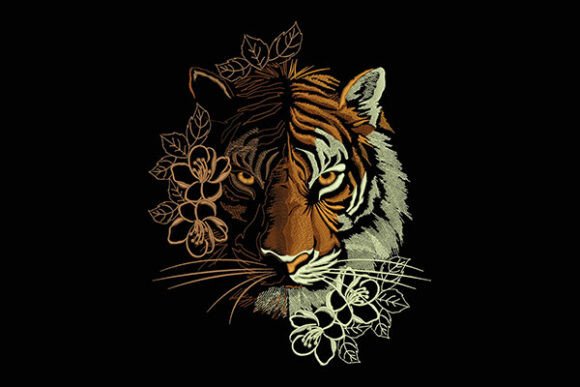
My first impression of Tiger and Flower is that it successfully bridges the gap between bold wildlife art and delicate botanical elegance. In the Wild Animals category, designs can sometimes lean too aggressive or masculine for general boutique apparel. However, the integration of floral elements softens the tiger’s intensity, creating a versatile motif that feels premium yet accessible. It strikes a mood that is trendy and artistic without being overly cartoonish or excessively rustic.
For a custom apparel line, this duality is valuable. The design possesses enough decorative strength to serve as a standalone statement on a chest placement, yet retains an elegance suitable for more refined garments. It does not feel like a generic clip-art transfer; rather, it suggests a thoughtful composition that will translate well into thread. This visual sophistication is essential for building buyer trust and establishing a cohesive brand identity in a crowded handmade marketplace.
Strategic Placement for Sweatshirts and Hoodies
When preparing a hoodie or sweatshirt collection, placement dictates perceived value. Tiger and Flower offers flexibility across various garment zones, but each requires specific consideration regarding fabric texture and garment construction.
- Chest Placement: For oversized sweatshirts, a centered or offset left-chest placement works beautifully. The design’s balanced composition ensures it doesn't look lost on heavy fleece. On pastel hoodies, the contrast between the tiger’s definition and the soft background color creates a modern, gender-neutral aesthetic appealing to younger demographics.
- Back Designs: If you are scaling up for a back print, ensure the stitch density remains manageable. Large back designs on fleece can become stiff if the file is not optimized. Tiger and Flower appears designed to be "fun and easy to stitch," which suggests a reasonable density, but always verify before committing to a full production run.
- Sleeve Accents: While the primary description highlights larger applications, consider how elements of this design might work as sleeve accents. A smaller iteration could add high-end detail to plain cuffs, increasing the perceived value of the finished product.
- Tote Bags and Denim: Beyond cozy wear, this design translates exceptionally well to structured fabrics. Denim jackets provide a stable base that minimizes distortion, allowing the intricate details of the flower and tiger to shine. For tote bags, the design adds an artistic flair that elevates merchandise beyond standard promotional gear.
Technical Considerations for Apparel Decorators
While Tiger and Flower is described as high-quality and easy to stitch, apparel embroidery presents unique challenges compared to home decor or pillowcases. As professionals, we must validate technical specs before selling finished goods.
Fabric Stability and Stabilizer Choice
Sweatshirt fleece and ribbed knits are inherently unstable. Even a well-digitized embroidery file can distort if hooped incorrectly. For this design, I recommend testing with a cutaway stabilizer rather than tear-away to maintain long-term shape retention after washing. If stitching on dark garments where floating is necessary, ensure your adhesive spray or sticky-back stabilizer provides adequate grip to prevent shifting during the detailed floral sections.
Thread Colors and Contrast
The interplay of thread colors defines the success of this design on apparel. On neutral sweatshirts (cream, grey, black), the tiger’s natural tones will pop effectively. However, on darker navy or charcoal hoodies, you may need to adjust underlay or select lighter outline threads to prevent the design from disappearing. Always run a test stitch-out on scrap fabric that matches your production garment weight. Verify that the thread colors specified in the file align with your current inventory or brand palette before bulk ordering supplies.
Hoop Size and Machine Compatibility
The product description notes suitability for t-shirts and home decor, implying versatility in size. However, specific hoop size dimensions and format compatibility are not explicitly detailed in the brief overview. Before purchasing, confirm on the Creative Fabrica product page that the included formats match your machine and that the dimensions fit your intended placement area. Never assume a design fits a 4x4 hoop just because it is labeled for t-shirts; boutique apparel often utilizes larger fields for better visual impact.
Elevating Brand Value and Customer Engagement
Incorporating Tiger and Flower into your catalog is about more than just adding another animal motif; it is about curating a lifestyle. For Etsy sellers and boutique brands, consistency in design quality builds recognition. This design’s elegant yet playful nature allows for cross-category merchandising—pairing a matching sweatshirt and tote bag, for example, encourages higher cart values.
Furthermore, high-quality embroidery photographs exceptionally well. Use this design to create compelling lifestyle product photos and printable mockups. The distinct silhouette of the tiger combined with organic floral lines reads clearly even in thumbnail images on social media feeds. Clear, attractive visuals drive click-through rates and signal professionalism to potential buyers browsing digital marketplaces.
Practical Designer Notes for Production
To ensure Tiger and Flower performs as expected in a commercial setting, adhere to these best practices:
- Verify Licensing: Before listing any finished apparel, review the specific Creative Fabrica license terms attached to this digital embroidery file. Ensure commercial use of physical products is permitted and check for any limitations on sales volume or POD restrictions.
- Test on Target Fabric: Do not rely solely on cotton quilting tests. Stitch a sample on the exact fleece or jersey blend you intend to sell. Inspect for puckering, registration errors, or excessive stiffness.
- Check Stitch Density: Confirm the density is appropriate for stretchy apparel. If the design feels like armor on a lightweight t-shirt, consider using editing software to reduce fill stitches or switch to a lighter garment weight.
- Review Product Details: Since specific technical data was absent from the summary, double-check the file formats (PES, DST, JEF, etc.) and resize capabilities listed on the download page to avoid compatibility headaches mid-production.
- Mockup Accuracy: When creating listings, ensure your mockups accurately represent the scale of Tiger and Flower. Misleading size representations are a common cause of returns in the handmade product space.
Final Thoughts for Small Business Owners
Tiger and Flower represents a strong contender for boutique apparel collections seeking a blend of wild charm and feminine elegance. Its versatility across sweatshirts, hoodies, and accessories makes it a practical asset for diverse product lines. By approaching this commercial embroidery project with technical diligence and strategic placement, you can transform a digital file into a tangible, high-value product that resonates with customers. Remember, the difference between a hobbyist stitch-out and a boutique garment lies in the preparation, testing, and respect for the medium. Happy stitching!