Paw Print Heartbeat: A Designer’s Stitch Test
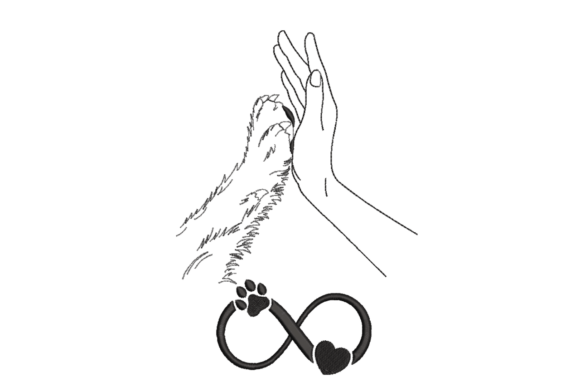
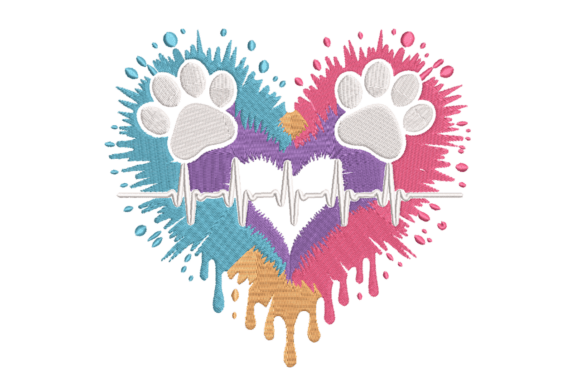
When I first loaded the Paw Print Heartbeat machine embroidery design into my software, I wasn't just looking at a cute motif; I was evaluating it as a potential bestseller for my custom apparel line. As designers and makers, we know that a digital preview only tells half the story. The true test of any embroidery file is how it behaves under the needle and whether it translates that emotional connection onto physical fabric. This design merges two powerful symbols—the canine paw and the EKG heartbeat line—into a single narrative of pet love. However, merging organic shapes with rigid lines presents specific technical challenges that every Etsy seller and craft business owner needs to understand before listing this as a finished product.
First Impressions and Emotional Resonance
The visual personality of Paw Print Heartbeat strikes a balance between modern minimalism and sentimental warmth. It avoids the cluttered, overly complex aesthetic that often plagues dog-themed embroidery. Instead, it offers a clean silhouette that reads clearly from a distance. For a handmade product, this clarity is vital. When I am designing for clients who want to memorialize a pet or celebrate their bond, they need a design that feels professional rather than cartoonish. The layout suggests movement, which adds dynamic energy to static items like pillow covers or tote bags. However, as an experienced reviewer, I immediately noticed that the transition points between the heartbeat line and the paw print are critical areas where stitch density could become problematic on lighter fabrics.
Real-World Application: The Custom Sweatshirt Test
To truly evaluate this design, I applied it to a real-world scenario: creating a custom embroidered sweatshirt for a boutique holiday collection. Sweatshirts are a staple for small shop products, but the fleece backing and stretchy knit require careful planning. I positioned the Paw Print Heartbeat across the chest area, aiming for a placement that would remain visible even when the wearer is moving.
During the stitching process, the design performed admirably, but not without necessary adjustments. The running stitch elements that form the heartbeat rhythm required a slightly heavier weight thread to prevent them from disappearing into the textured fabric of the sweatshirt. Conversely, the fill stitch within the paw print needed monitoring to ensure it didn’t create a bulletproof patch that could pucker the surrounding knit. For fellow apparel decorators, this highlights a crucial lesson: always pair your stabilizer choice with the specific demands of the design's density. On this project, using a medium-weight cutaway stabilizer was non-negotiable to maintain the integrity of the EKG line after washing.
Navigating Fabric Textures and Hoop Limitations
While Paw Print Heartbeat shines on stable surfaces, it requires caution when applied to challenging materials. If you are planning to use this on tea towels or kitchen linens, the design’s linear nature works beautifully against the woven grain. However, for baby embroidery or delicate onesies, I would advise resizing with extreme care. Reducing the size too much can cause the satin stitch borders to merge, resulting in a loss of definition that makes the paw look like a blob rather than a distinct shape.
I also tested this design on a structured cap. Curved surfaces are notoriously difficult for horizontal designs. While the Paw Print Heartbeat has a nice flow, the center of the cap caused slight distortion in the heartbeat peaks due to the push-pull effect of the embroidery machine. For hat projects, I recommend testing on a scrap curved surface first or considering a flatter brim placement. Additionally, if you are working with dark fabrics, remember that high-contrast thread colors are essential. A white or light gray thread on navy fleece made the design pop, whereas a tonal approach rendered the intricate details invisible. Always check your thread color contrast in natural lighting before committing to a production run.
Commercial Viability for Makers and Sellers
For Etsy sellers and creative entrepreneurs, the commercial value of an embroidery project lies in its versatility and perceived quality. Paw Print Heartbeat succeeds because it is gender-neutral and breed-agnostic, broadening your potential customer base. It works equally well for a golden retriever mom or a french bulldog dad. This universality makes it an excellent asset for printable mockups and digital product previews, as customers can easily project their own pet’s identity onto the design without being distracted by specific breed characteristics.
However, professionalism dictates that we respect licensing and technical limits. Before selling finished products featuring this design, confirm whether your license covers commercial use for physical goods versus digital embroidery files. Never resell the digital file itself unless explicitly permitted. Furthermore, consider how this design fits into your brand consistency. Does the stitch style match your other offerings? If your shop specializes in vintage applique designs, a modern satin stitch heartbeat might feel out of place. Cohesion builds buyer trust and encourages repeat business.
Technical Notes for Flawless Execution
Based on my review and testing, here are practical notes for integrating Paw Print Heartbeat into your workflow:
- Stabilizer Selection: Match the stabilizer to the fabric texture, not just the design size. Stretchy knits demand cutaway; wovens can often handle tear-away.
- Density Check: Inspect the transition zones between the line work and the filled paw. If your machine allows, add a slight pull compensation to prevent gaps on stretchy fabrics.
- Thread Weight: Standard 40wt polyester is ideal, but consider 30wt for the outline to enhance visibility on textured items like canvas tote bags.
- Mockup Testing: Create black and white mockups to verify that the design holds up without color reliance. This ensures the silhouette is strong enough for single-color embroidery projects.
- Wash Testing: Always wash a test sample. Linear designs can warp if the stabilizer wasn't adequate or if the stitch density was too high for the fabric weight.
- Hoop Size Verification: Ensure you have the correct hoop size before purchasing. Resizing beyond 10-15% can alter stitch counts and compromise the design's structural integrity.
Elevating the Finished Product
Ultimately, Paw Print Heartbeat is more than just a collection of stitches; it is a vessel for customer emotion. When executed correctly, it elevates a simple garment into a personalized gift with significant sentimental value. The key to success lies in treating the design with technical respect. By understanding how stitch density interacts with fabric texture, and by validating your choices through rigorous testing, you ensure that the final embroidered patch or apparel item meets the high standards your customers expect.
Whether you are creating holiday embroidery for a seasonal market or building a year-round catalog of custom apparel, this design offers a reliable foundation. Just remember that the digital embroidery file is merely the blueprint. Your expertise in hooping, stabilizing, and finishing is what transforms Paw Print Heartbeat from a screen image into a cherished keepsake. Take the time to test, adjust, and refine, and your handmade products will reflect the same dedication to quality that pet owners feel for their furry companions.