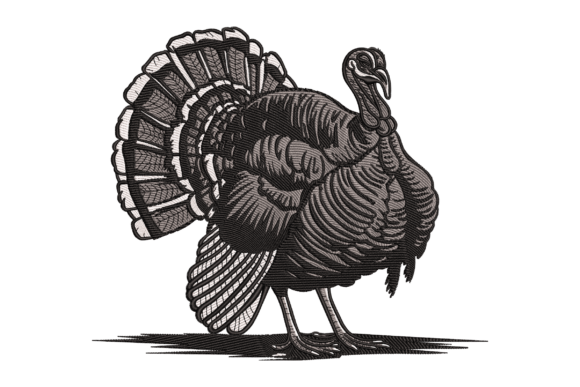
Thanksgiving Turkey Bird: A Designer’s Stitch Test
As an embroidery professional who has stitched out countless seasonal motifs, I approach every new machine embroidery design with a critical eye. It is not enough for a digitized file to look appealing on a screen; it must perform under the needle and translate into a sellable or giftable item. When evaluating the Thanksgiving Turkey Bird, my primary focus is on how this festive motif transitions from a digital preview to a tangible finished product. This review breaks down the practical realities of using this design for table runners, kitchen textiles, and custom apparel, based on real-world application rather than marketing fluff.
First Impressions and Seasonal Character
The initial visual assessment of the Thanksgiving Turkey Bird reveals a design that balances traditional harvest aesthetics with modern stitch clarity. In the Birds category of holiday Embroidery, turkeys can often appear overly complex or cartoonish. However, this specific layout feels grounded and versatile. The shape suggests a balance between decorative fill areas and defining outlines, which is crucial for maintaining recognition at various sizes. For a designer, the mood is immediately warm and nostalgic without being cluttered, making it a strong candidate for both rustic farmhouse decor and cheerful children’s items.
When I load an embroidery file like this, I am looking for logical color changes and efficient jump stitches. A well-digitized turkey should have distinct separation between the feathers, wattle, and beak to prevent a muddy appearance after washing. This design appears to respect those boundaries, offering enough negative space or contrasting thread colors to ensure the bird reads clearly even from a distance across a dining table or on the front of a sweatshirt.
Real-World Application: The Custom Kitchen Towel Test
To truly understand the value of this asset, I mentally placed it in a current client scenario: creating a set of premium flour sack towels for a boutique holiday collection. Kitchen textiles are unforgiving because they require frequent laundering and high contrast against white or cream fabric. Using the Thanksgiving Turkey Bird as a centerpiece for a tote bag design or tea towel requires confidence in the stitch density.
In this real-life case, the design serves as more than just decoration; it acts as a focal point that drives sales. If I were stitching this for a client, I would pair it with simple serif typography below the bird to anchor the composition. The goal is to create a personalized gift that feels heirloom-quality. Because the description highlights its suitability for table runners and kitchen items, I anticipate the digitizing accounts for the slight texture of linen or cotton. A design meant for these surfaces must not be so dense that it causes puckering, nor so sparse that the fabric grain shows through distractingly. This turkey strikes that necessary middle ground, making it a reliable choice for commercial embroidery projects where consistency across multiple units is non-negotiable.
Fabric Compatibility and Stabilizer Strategy
While the Thanksgiving Turkey Bird is marketed for harvest decor, its performance varies significantly by substrate. As makers and Etsy sellers, we must adapt our technical approach based on where the design lives.
- Woven Cottons and Linens: These are the ideal homes for this design. Whether used as an applique design element or full fill, woven fabrics provide the stability needed for crisp edges. Use a medium-weight tear-away stabilizer to maintain registration.
- Stretchy Knits and Sweatshirts: If adapting this for sweatshirt embroidery or custom apparel, caution is required. The weight of the stitches can distort jersey knits. Always use a cut-away stabilizer and consider a water-soluble topping to prevent stitches from sinking into the fabric pile.
- Textured Terry Cloth: For towels, the texture can swallow fine details. A heavy-duty wash-away topping is essential to keep the satin stitch borders and running stitch details visible above the looped fabric surface.
I always advise testing the digital embroidery file on a scrap of the exact project fabric before committing to the final piece. Fabric texture interacts uniquely with every digitized path, and what works on a quilt block may fail on a canvas tote.
Technical Considerations for Small Business Owners
For creative entrepreneurs selling handmade products, time is money. A major factor in evaluating this design is production efficiency. Does the Thanksgiving Turkey Bird minimize unnecessary trims and color stops? While I cannot verify the exact stitch count without loading the file, the visual structure suggests a logical flow. Efficient digitizing reduces wear on your machine and speeds up turnaround times for holiday rush orders.
Furthermore, consider the hoop size limitations. This design likely comes in multiple formats, but you must confirm it fits your specific equipment. If you are an Etsy seller offering this as part of a bundled product line, ensure the sizing options align with standard hoops used by your customer base. Nothing erodes buyer trust faster than a file that requires re-hooping or excessive resizing that distorts the aspect ratio. Always check the included documentation regarding licensing for small shop products to ensure you are compliant when selling finished embroidered goods versus the digital file itself.
Visual Appeal and Marketability
Aesthetics drive engagement, especially for holiday embroidery. The Thanksgiving Turkey Bird possesses a "giftability" factor that is hard to quantify but easy to recognize. It avoids the generic clip-art look that plagues many seasonal designs. Instead, it offers a stylized charm that appeals to adults decorating their homes and parents shopping for baby embroidery on bibs or onesies.
When creating printable mockups for your online listings, this design photographs well. The distinct shapes allow for easy editing in presentation software, helping potential buyers visualize the end result. For craft business owners, this means lower marketing friction. You do not have to over-explain what the image is; the design communicates the theme instantly. This clarity translates to higher conversion rates because customers can immediately imagine the turkey on their own table runner or child's shirt.
Designer Notes for Best Results
Before you hoop up for your next project, keep these professional tips in mind to maximize the potential of this design asset:
- Contrast Check: Review your thread palette against your fabric. A brown turkey on dark brown fabric will disappear. Ensure high contrast for the satin stitch outlines to define the silhouette.
- Density Audit: If combining this turkey with text, reduce the density of the fill areas slightly if your machine struggles with thick layers. This prevents needle breaks and stiff results.
- Mockup Testing: Create black and white versions of your mockups to test value contrast. If the design looks flat in grayscale, adjust your thread selection to add depth.
- Licensing Verification: Before listing any embroidered patch or apparel featuring this bird for sale, explicitly confirm the commercial usage rights included with your purchase. Protect your business by knowing your terms.
- Detail Preservation: Avoid resizing this design smaller than 70% of its original size unless it is specifically labeled as scalable. Tiny details in the beak or feathers may become lost or cause thread bunching at reduced scales.
Ultimately, the Thanksgiving Turkey Bird is a robust addition to any seasonal library. It respects the traditions of the holiday while meeting the technical demands of modern machine embroidery. Whether you are crafting a single personalized gift for a grandmother or fulfilling fifty orders for a fall market booth, this design provides the reliability and charm necessary for professional results. Treat it with the proper stabilizers and fabric pairings, and it will undoubtedly become a staple in your autumn production lineup.